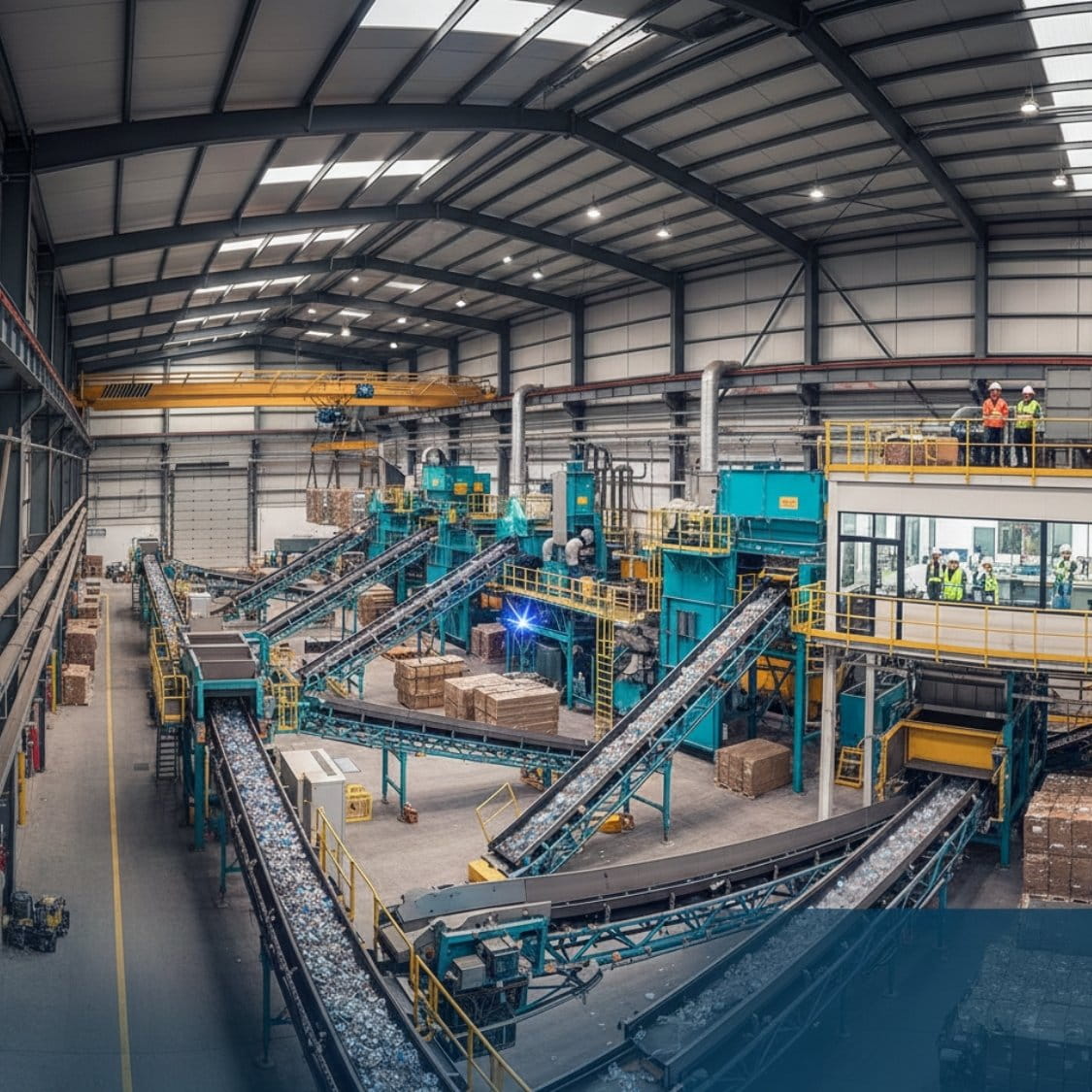
Understanding Mining Tailings and Their Composition
Mining tailings are the residual materials left after the extraction of valuable minerals. These by-products often contain a variety of metals, including precious and base metals, which present an economic potential of secondary valuable metal recovery from mining tailings. Understanding the composition of these tailings is crucial for developing efficient recovery processes and maximizing resource utilization.
Typically, mining tailings are composed of finely ground rock, water, and various chemicals used during the extraction process. They can contain trace amounts of valuable metals such as gold, silver, and copper. As a result, mining companies are increasingly interested in the composition of tailings to identify the most effective methods for metal recovery.
The composition of tailings varies significantly based on the type of ore processed and the extraction techniques employed. For example, some tailings may be rich in heavy metals or toxic elements, while others may contain a high concentration of economically valuable materials. Consequently, analyzing these materials is essential for assessing the economic potential of secondary valuable metal recovery from mining tailings and ensuring sustainable mining practices.
The Process of Secondary Valuable Metal Recovery
The process of secondary valuable metal recovery involves several critical stages that enhance the extraction of metals from mining tailings. Initially, mining tailings are analyzed to identify the specific metals present, which can include copper, gold, and silver. This analysis allows for the selection of suitable recovery techniques, such as flotation, leaching, or bioleaching. Consequently, the choice of method is essential for maximizing the efficiency and yield of metal recovery.
Once the appropriate technique is selected, the tailings undergo pre-treatment to improve metal accessibility. This pre-treatment may involve crushing, grinding, or chemical treatments to liberate metals from the surrounding materials. Implementing these steps can significantly enhance the overall recovery rates. The subsequent recovery phase aims to extract valuable metals effectively while minimizing waste generation and environmental impact.
After the recovery processes, a purification stage is often necessary to refine the extracted metals to a usable state. This stage may involve additional chemical treatments or physical methods to achieve the desired purity levels. Efficient purification contributes to the market value of the recovered metals, making the economic potential of secondary valuable metal recovery from mining tailings increasingly attractive for mining operations and investors alike.
Economic Benefits of Recovering Metals from Tailings
The economic potential of secondary valuable metal recovery from mining tailings is increasingly recognized in the mining industry. By utilizing existing tailings, companies can reduce the costs associated with traditional mining methods. Recovering metals from tailings can significantly enhance profit margins, as it transforms waste into a valuable resource.
Investing in technologies for metal recovery not only improves operational efficiency but also creates new job opportunities. This economic boost is especially vital for regions heavily dependent on mining. Consequently, the recovery process can stimulate local economies and support community development initiatives.
Recovering metals from tailings can minimize the need for new mining operations. This reduction in mining activity leads to lower environmental impact and conservation of natural resources. Therefore, understanding the economic potential is crucial for sustainable growth in the mining sector.
Environmental Impact of Secondary Metal Recovery Techniques
The environmental impact of secondary metal recovery techniques is a crucial consideration in the mining industry. These methods are designed to extract valuable metals from mining tailings, which are often left behind as waste. By utilizing innovative recovery techniques, companies can significantly reduce the environmental footprint associated with traditional mining. These processes help mitigate issues related to soil and water contamination.
One of the primary benefits of secondary metal recovery is the reduction of landfill waste. This not only conserves space in landfills but also prevents the leaching of harmful substances into nearby ecosystems. The recovery process often employs less harmful chemicals compared to traditional mining methods. Consequently, this results in a decreased risk of environmental damage during the extraction of valuable metals.
Secondary metal recovery can contribute positively to local biodiversity. By reclaiming land previously used for tailing disposal, ecosystems can be restored and revitalized. This restoration process promotes the resurgence of flora and fauna in areas that were once degraded. Therefore, implementing these recovery techniques can lead to sustainable practices that benefit both the environment and local communities.
The economic potential of secondary valuable metal recovery from mining tailings is closely linked to its environmental advantages. As recovery technologies advance, the efficiency of metal extraction increases, leading to more sustainable operations. This not only enhances the profitability of mining companies but also aligns with global efforts to promote sustainable resource management. Consequently, these techniques represent a promising avenue for both economic and environmental improvement in the mining sector.
Case Studies: Successful Metal Recovery Projects from Tailings
Several successful projects demonstrate the economic potential of secondary valuable metal recovery from mining tailings. One notable example is the work conducted at the Iron Mountain Mine in California. Here, advanced separation techniques recovered significant amounts of copper and gold, showcasing the viability of processing previously discarded materials.
Another exemplary case is the recovery project in Brazil at the Morro Velho mine. This initiative utilized innovative flotation methods to extract gold and silver from tailings. As a result, the project not only enhanced metal recovery efficiency but also reduced the environmental footprint, highlighting the dual benefits of such operations.
The project at the Camp Bird Mine in Colorado further illustrates the benefits of tailings recovery. By employing bioleaching techniques, the team successfully recovered precious metals from old tailings. This case underlines how emerging technologies can unlock the economic potential of secondary valuable metal recovery from mining tailings while promoting sustainable mining practices.
In Europe, the Ronnskär project in Sweden stands out for its comprehensive approach to tailings management. This initiative integrated hydrometallurgical processes to recover nickel and cobalt effectively. Consequently, it demonstrated that investing in advanced recovery methods can yield significant financial returns while addressing environmental concerns.
The study conducted at the Lihir Gold Mine in Papua New Guinea highlights the growing trend of metal recovery from tailings. The project implemented a combination of gravity and flotation separation methods to extract metals. This success not only emphasizes the economic potential of secondary valuable metal recovery from mining but also encourages further exploration of similar projects worldwide.
Future Trends in Valuable Metal Recovery from Mining Waste
As technology evolves, the economic potential of secondary valuable metal recovery from mining tailings continues to grow. Innovations in extraction processes, such as bioleaching and hydrometallurgy, promise to enhance recovery rates significantly. Advancements in automation and data analytics are streamlining operations, resulting in increased efficiency and lower operational costs. These developments are crucial for maximizing the value derived from mining waste.
Another trend is the integration of circular economy principles within the mining sector. Companies are increasingly focusing on sustainability, seeking to minimize waste while extracting maximum value from tailings. This shift not only addresses environmental concerns but also boosts the economic potential of secondary valuable metal recovery from mining. Consequently, mining firms that embrace these principles stand to gain a competitive edge in the market.
The growing demand for rare and precious metals in emerging technologies plays a significant role in shaping recovery strategies. For example, the rise of electric vehicles and renewable energy systems has created a surge in demand for metals like lithium and cobalt. As a result, the economic potential of secondary valuable metal recovery from mining tailings is likely to be enhanced by targeting these high-value materials specifically. This focus will drive investment and research into more efficient recovery methods.
Looking ahead, collaboration between the mining industry and research institutions will be essential for unlocking further potential. By sharing knowledge and resources, these entities can develop innovative solutions that improve recovery rates and reduce environmental impacts. The future of economic potential of secondary valuable metal recovery from mining tailings lies in a synergistic approach that balances profitability with sustainability, ensuring a responsible pathway forward for the industry.