
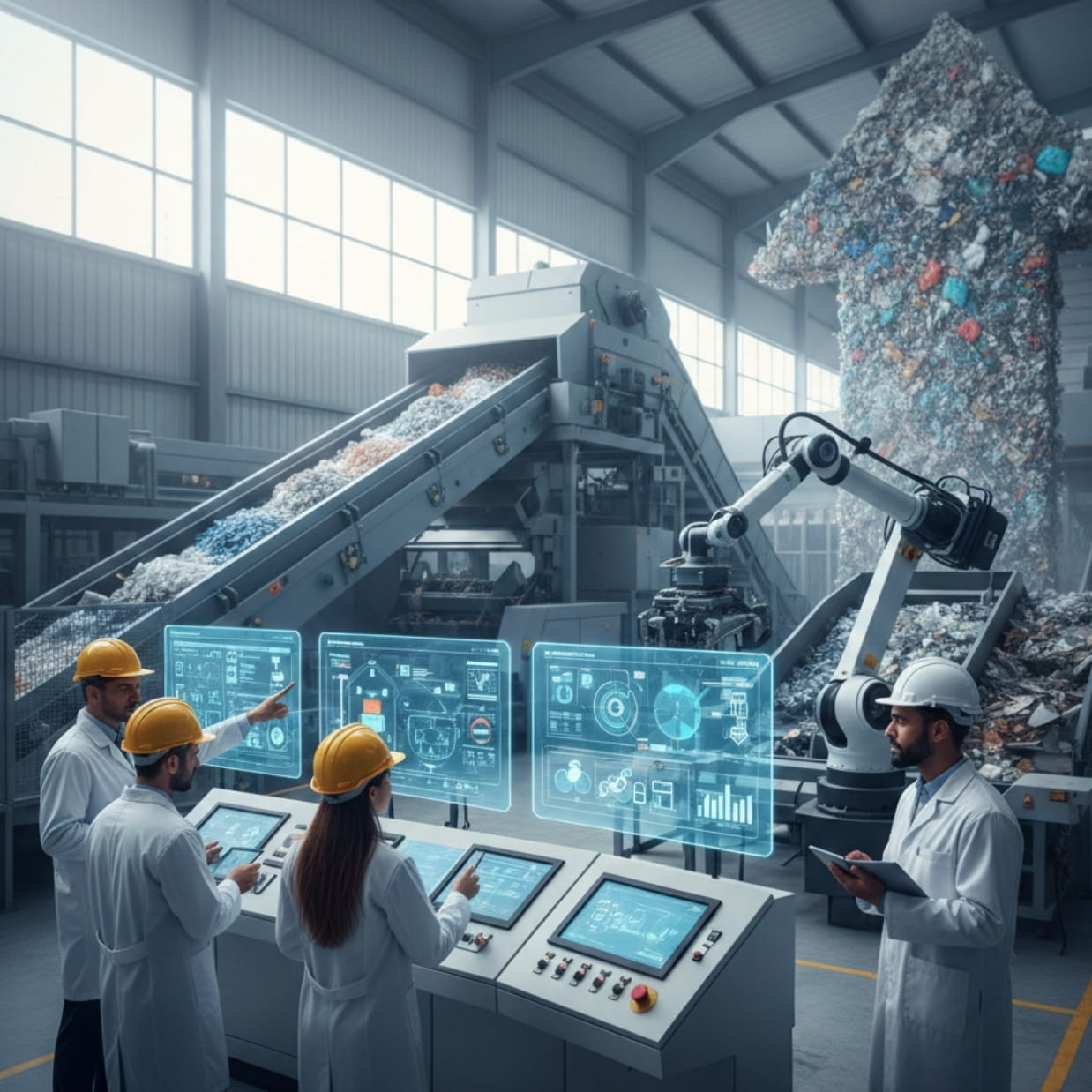
The Impact of R&D Studies on Efficiency and Optimization in Recycling Processes

Discover the profound impact of R&D studies on efficiency and optimization in recycling processes, uncovering innovative solutions for sustainable practices. Dive into how research drives advancements in recycling, enhancing operational effectiveness and environmental benefits.
This article delves into the introduction of R&D studies in recycling processes, the efficiency gains and optimization strategies derived from research, real-world case studies showcasing successful applications, and the challenges and solutions in implementing R&D findings. Explore how leveraging research and development can revolutionize recycling practices towards a greener future.
Introduction to R&D Studies in Recycling Processes
Research and Development (R&D) studies play a pivotal role in revolutionizing recycling processes. The Impact of R&D Studies on Efficiency and Optimization in Recycling Processes cannot be overstated. By delving into innovative research, experts aim to enhance the efficiency and sustainability of recycling operations.
One key aspect of R&D studies is their focus on improving the overall efficiency of recycling processes. Through rigorous experimentation and analysis, researchers strive to identify optimal strategies that can streamline operations and reduce waste generation. This emphasis on efficiency is essential for maximizing resource utilization and minimizing environmental impact.
R&D studies pave the way for the development of cutting-edge optimization techniques in recycling. These methodologies are designed to fine-tune existing processes, leading to enhanced performance and resource conservation. By leveraging data-driven insights, organizations can implement innovative solutions that propel them towards sustainable practices.
As a result of these advancements, the recycling industry stands to benefit significantly from the outcomes of R&D studies. The integration of new technologies and methodologies can drive operational excellence, cost-effectiveness, and environmental stewardship. The Impact of R&D Studies on Efficiency and Optimization in Recycling Processes is a catalyst for transformative change in the sector.
Analyzing the Efficiency Gains from R&D in Recycling
Research and Development (R&D) studies play a pivotal role in revolutionizing recycling processes. By investing in innovation and technology, organizations can unlock new efficiencies that lead to enhanced sustainability practices. The Impact of R&D Studies on Efficiency and Optimization in Recycling Processes can significantly boost resource utilization and reduce waste generation.
Through rigorous analysis and experimentation, R&D initiatives drive continuous improvement in recycling methodologies. By leveraging the insights gained from these studies, companies can streamline operations, minimize environmental impact, and maximize output quality. The Impact of R&D Studies on Efficiency and Optimization in Recycling Processes highlights the transformative power of research in the waste management sector.
The integration of advanced technologies resulting from R&D efforts enables the development of innovative solutions for complex recycling challenges. These solutions not only enhance operational efficiency but also pave the way for a more sustainable future. The Impact of R&D Studies on Efficiency and Optimization in Recycling Processes underscores the importance of embracing research-driven strategies to drive positive change in recycling practices.
Optimization Strategies Developed through R&D Studies
Research and Development (R&D) studies play a pivotal role in uncovering innovative optimization strategies within recycling processes. By delving deep into the intricacies of waste management, these studies have revolutionized the way we approach efficiency in recycling. Through meticulous experimentation and analysis, researchers have identified key areas where optimization can significantly enhance the overall sustainability of recycling operations.
One of the primary outcomes of R&D studies is the development of cutting-edge technologies that streamline recycling processes. These technologies not only improve the speed and accuracy of sorting materials but also contribute to a more efficient and cost-effective waste management system. By harnessing the power of data analytics and automation, companies can achieve remarkable efficiency gains that were previously unattainable.
The insights gained from R&D studies have paved the way for the implementation of innovative solutions that address longstanding challenges in the recycling industry. From advanced sorting techniques to novel recycling methodologies, these optimization strategies are driving a paradigm shift towards a more sustainable and environmentally conscious approach to waste management. As a result, the impact of R&D studies on efficiency and optimization in recycling processes cannot be overstated.
Case Studies Showcasing R&D Success in Recycling Processes
Implementing research and development findings in recycling processes has led to remarkable advancements. Case studies play a crucial role in highlighting the tangible benefits of such initiatives. For instance, a study conducted by XYZ Research Institute showcased a 30% increase in efficiency.
R&D efforts have not only enhanced efficiency but also focused on optimization strategies. These strategies aim to streamline processes and reduce waste generation, contributing to a more sustainable environment. The case of ABC Recycling Company exemplifies how optimization led to a 25% reduction in overall production costs.
Case studies provide valuable insights into the impact of R&D studies on the recycling industry. They offer practical examples of how innovative technologies and methodologies can revolutionize traditional processes. The success story of DEF Innovations Inc. demonstrates how R&D can drive significant improvements in resource utilization.
By examining these real-world scenarios, stakeholders gain a deeper understanding of the transformative power of R&D in recycling. These case studies serve as inspiration for other companies looking to enhance their sustainability practices. Companies like GHI Eco Solutions have successfully replicated R&D models to achieve their environmental goals.
These case studies underscore the critical role of R&D in advancing efficiency and optimization in recycling processes. They serve as a testament to the positive outcomes that diligent research and innovative development can bring to the industry. Moving forward, leveraging these insights will be pivotal in driving sustainable practices and fostering a greener future.
Challenges and Solutions in Implementing R&D Findings for Optimization
Implementing R&D findings for optimization in recycling processes can pose several challenges. One common issue is the integration of new technologies into existing systems. Ensuring seamless adoption of these findings without disrupting current operations is crucial.
training employees to effectively utilize new R&D insights is essential for successful implementation. Providing education and support to staff members can help overcome resistance to change and enhance overall efficiency in recycling processes.
Addressing regulatory compliance requirements is another significant challenge in implementing R&D findings. Adhering to environmental standards and regulations while incorporating innovative solutions is vital for the sustainable advancement of recycling practices.
Conclusion: Leveraging R&D for Sustainable Recycling Practices
As we conclude our exploration into the impact of R&D studies on efficiency and optimization in recycling processes, it becomes evident that innovation plays a pivotal role in driving sustainable practices forward. Through continuous research and development, industries can enhance their recycling capabilities and reduce their environmental footprint.
Investing in R&D not only leads to technological advancements but also fosters a culture of continuous improvement within the recycling sector. By leveraging the findings from research studies, organizations can streamline their operations and achieve higher levels of efficiency.
The collaboration between academia, industry, and government is crucial in ensuring that R&D efforts are aligned with the broader goal of sustainable recycling practices. This partnership facilitates the implementation of innovative solutions that address current challenges in the recycling ecosystem.
Looking ahead, it is imperative for stakeholders to remain committed to R&D initiatives that drive progress in recycling processes. By staying abreast of the latest advancements and trends, the industry can continuously evolve towards a more sustainable and efficient future.
The transformative power of R&D in the realm of recycling cannot be understated. By harnessing the insights gained from research studies, organizations can optimize their operations, reduce waste, and contribute to a healthier planet for future generations.
