Key Considerations in the Design and Installation of Industrial-Scale Recycling Facilities

Key considerations in the design and installation of industrial-scale recycling facilities are crucial for operational success. In this article, we explore the essential aspects of setting up efficient recycling facilities, covering site assessment, layout design, equipment selection, waste sorting processes, compliance with regulations, and performance monitoring.
Assessing the site location for optimal efficiency, designing a layout to maximize space utilization, selecting suitable recycling equipment, implementing efficient waste sorting processes, ensuring compliance with environmental regulations, and monitoring facility performance are key areas addressed in this comprehensive guide. By understanding these considerations, businesses can enhance their recycling operations, reduce waste, and contribute to a sustainable future.
Assessing the Site Location for Optimal Efficiency
When considering Key Considerations in the Design and Installation of Industrial-Scale Recycling Facilities, one of the initial steps involves assessing the site location for optimal efficiency. The location of a recycling facility plays a crucial role in its overall operational success. Factors such as proximity to waste sources, transportation networks, and regulatory requirements all influence the site selection process.
Evaluating the geographic features of the site, including topography and access to utilities, is essential for designing a layout that maximizes operational efficiency. By strategically placing different operational areas within the facility, such as processing zones and storage areas, companies can streamline workflows and minimize operational bottlenecks.
A thorough site assessment allows for the identification of potential environmental impacts and mitigation strategies. Understanding the local ecosystem and community concerns is vital for ensuring that the recycling facility operates in harmony with its surroundings. By integrating sustainable practices into the site design, companies can enhance their reputation and reduce their environmental footprint.
Designing a Layout to Maximize Space Utilization
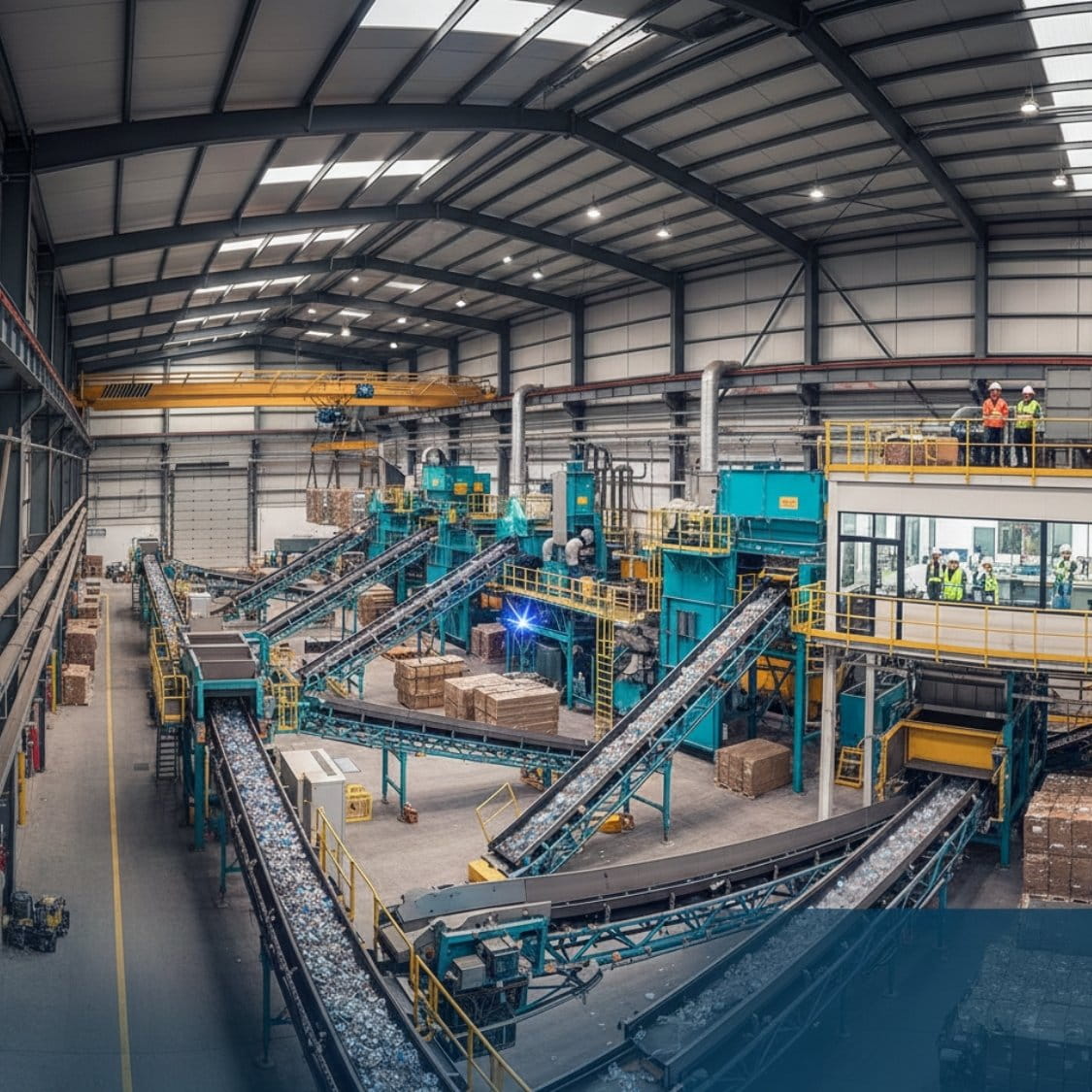
When it comes to industrial-scale recycling facilities, the design of the layout plays a crucial role in optimizing space utilization. The layout should be carefully planned to accommodate different processes efficiently.
One key consideration in designing the layout is the flow of materials within the facility. Ensuring a logical and streamlined flow can enhance productivity and minimize bottlenecks in the recycling process.
space utilization can be maximized by strategically placing equipment and storage areas. This helps in minimizing unnecessary movement of materials and allows for a more organized workflow.
By considering these key aspects in layout design, industrial-scale recycling facilities can create a more efficient and productive environment. Proper space utilization not only improves operational efficiency but also contributes to overall cost savings.
Selecting the Most Suitable Recycling Equipment
When it comes to selecting the most suitable recycling equipment for industrial-scale facilities, several key factors must be carefully considered. Firstly, it is essential to assess the specific needs and requirements of the facility to determine the types and capacities of equipment needed.
consider the efficiency and durability of the equipment to ensure long-term functionality and cost-effectiveness. Investing in high-quality machinery that can handle the volume and variety of materials is crucial for smooth operations.
evaluate the technological capabilities of the equipment to streamline processes and improve overall efficiency. Modern recycling equipment often comes with advanced features that can enhance productivity and reduce downtime.
don’t overlook the importance of maintenance and support services when choosing recycling equipment. Opt for suppliers who offer reliable maintenance plans and responsive customer support to minimize disruptions and downtime.
By carefully considering these key factors in the selection process, industrial-scale recycling facilities can choose the most suitable equipment that aligns with their operational needs and long-term goals.
Implementing Efficient Waste Sorting Processes
When it comes to implementing efficient waste sorting processes in industrial-scale recycling facilities, attention to detail is crucial. One key consideration is the seamless integration of sorting technologies to streamline operations. By investing in automated sorting systems, facilities can boost efficiency and accuracy in separating recyclables.
Training staff on the proper use of sorting equipment is essential for optimal performance. Regular maintenance schedules should be established to ensure that the sorting processes run smoothly without any disruptions. Continuous monitoring of the sorting processes can help identify areas for improvement and enhance overall efficiency.
Collaboration with waste management experts can provide valuable insights into implementing best practices for waste sorting. Leveraging their expertise can lead to the development of customized sorting solutions tailored to the specific needs of the facility. Implementing a comprehensive waste sorting strategy is key to maximizing recycling rates and minimizing waste sent to landfills.
implementing efficient waste sorting processes requires a combination of advanced technology, well-trained staff, and strategic partnerships. By incorporating these key considerations into the design and installation of industrial-scale recycling facilities, organizations can achieve significant gains in sustainability and environmental impact.
Ensuring Compliance with Environmental Regulations
One of the key considerations in the design and installation of industrial-scale recycling facilities is ensuring compliance with environmental regulations. This involves conducting thorough research on the specific laws and guidelines that govern waste management and recycling in the region where the facility will be located.
It is essential to work closely with environmental agencies and regulatory bodies to obtain the necessary permits and approvals for the operation of the recycling facility. Adhering to these regulations not only ensures legal compliance but also demonstrates a commitment to sustainability and environmental responsibility.
Incorporating environmentally friendly practices into the design and operation of the facility can help minimize the environmental impact of the recycling process. This may include implementing energy-efficient technologies, reducing water consumption, and optimizing waste handling processes to reduce emissions and pollution.
Monitoring and Optimizing Facility Performance
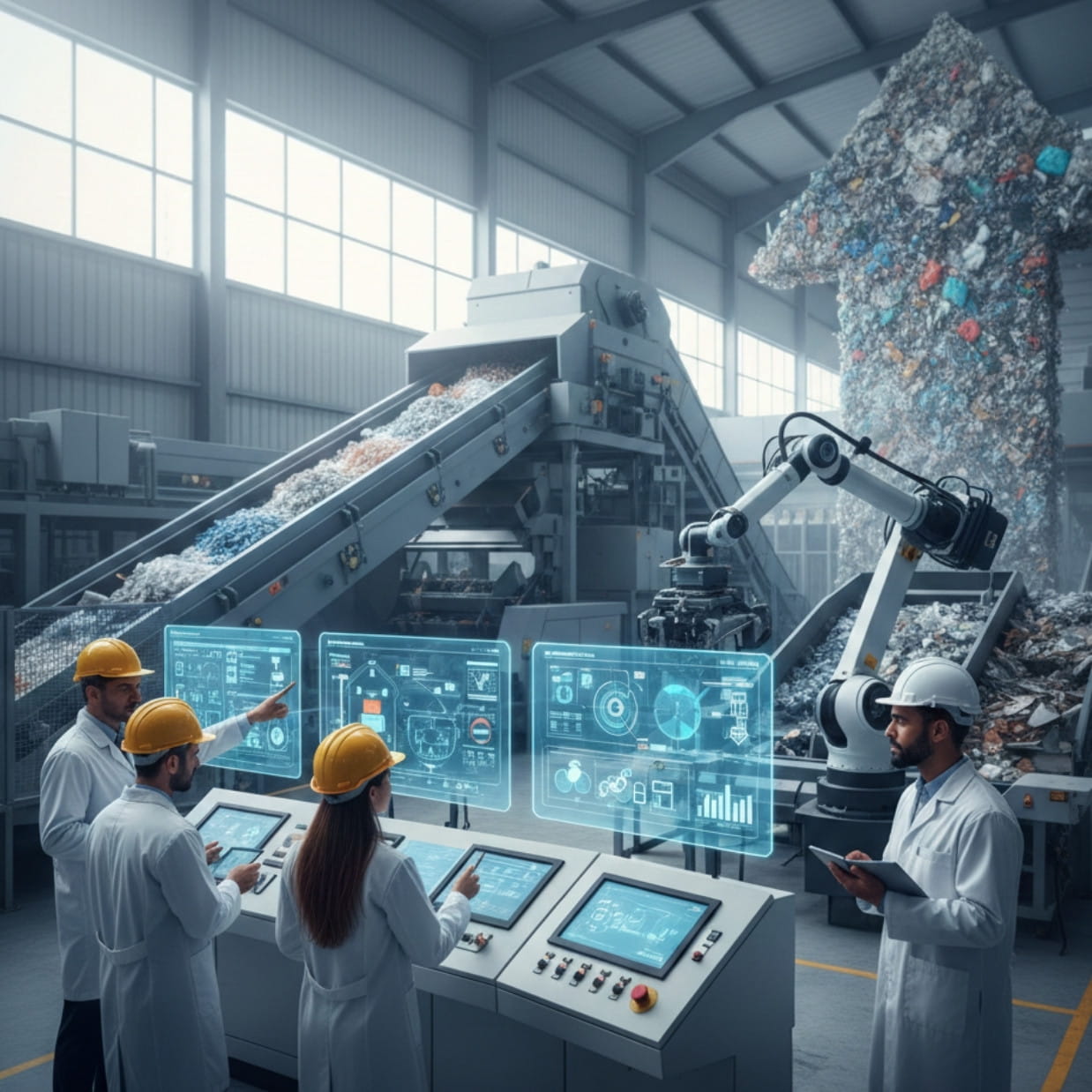
Once the industrial-scale recycling facility is up and running, it is crucial to implement robust monitoring systems to track its performance effectively. Regular performance assessments can help identify any inefficiencies or bottlenecks in the recycling process.
Utilizing advanced technology and data analytics can provide real-time insights into the facility’s operations. This data-driven approach allows for quick decision-making and adjustments to optimize performance and increase recycling efficiency.
Continuous monitoring enables the facility managers to detect any equipment malfunctions or maintenance issues promptly. Timely intervention can prevent downtime and ensure uninterrupted recycling operations.
By monitoring key performance indicators (KPIs) such as throughput rates, material purity levels, and energy consumption, the facility can identify areas for improvement and implement targeted strategies to enhance overall performance.
Monitoring and optimizing facility performance is a critical aspect of running an industrial-scale recycling plant efficiently. By leveraging data-driven insights and proactive maintenance practices, facilities can achieve higher recycling rates and contribute significantly to environmental sustainability.