As the global shift towards electrification and renewable energy accelerates, the demand for critical minerals such as lithium, cobalt, nickel, and rare earth elements has reached unprecedented levels. These materials are the backbone of batteries, electric vehicles (EVs), wind turbines, and other green technologies. However, the supply chains for these minerals are fragile, geographically concentrated, and often environmentally destructive.
This is where recycling enters the equation — not as an alternative, but as a necessity.

A Circular Solution to a Linear Problem
Mining alone cannot keep up with the explosive growth in demand. Moreover, it comes with environmental and ethical concerns, including carbon emissions, water usage, and labor conditions. Recycling critical minerals from end-of-life products such as EV batteries, electronics, and industrial catalysts provides a sustainable, scalable, and lower-cost alternative to mining.
By recovering materials from waste streams, recycling helps:
- Reduce dependence on primary raw material extraction
- Lower environmental impact
- Shorten supply chains and increase local resilience
- Mitigate price volatility
A Profitable Industry in the Making
Beyond sustainability, critical mineral recycling is a highly profitable sector. With governments offering incentives, carbon regulations tightening, and metal prices rising, the economics of recycling are more attractive than ever. Even small amounts of recovered materials can yield high margins — especially in markets like black mass recovery and hydrometallurgical refining.
Forward-looking investors and companies are now recognizing that recycling is not just green — it’s gold.
The Role of Advanced Technology
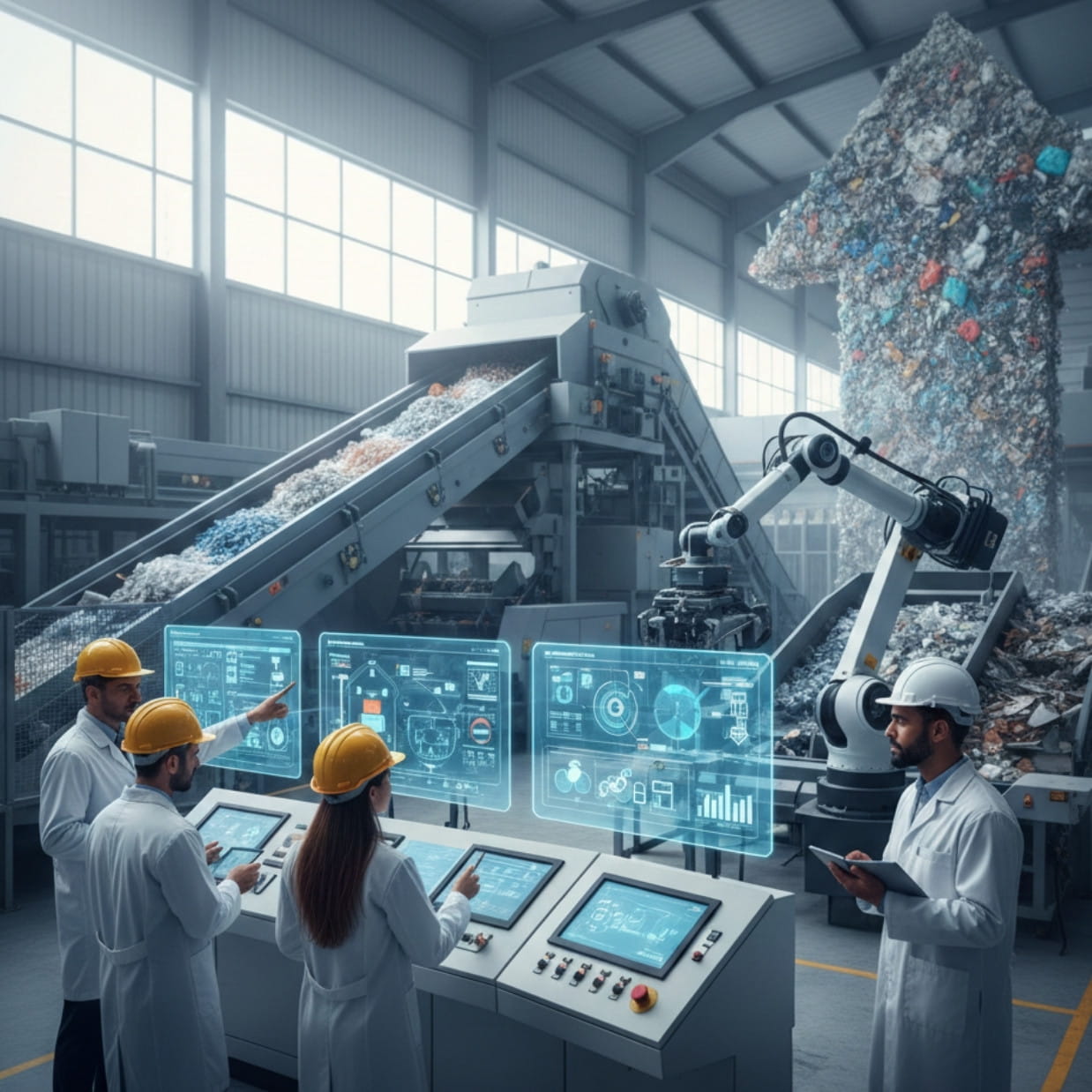
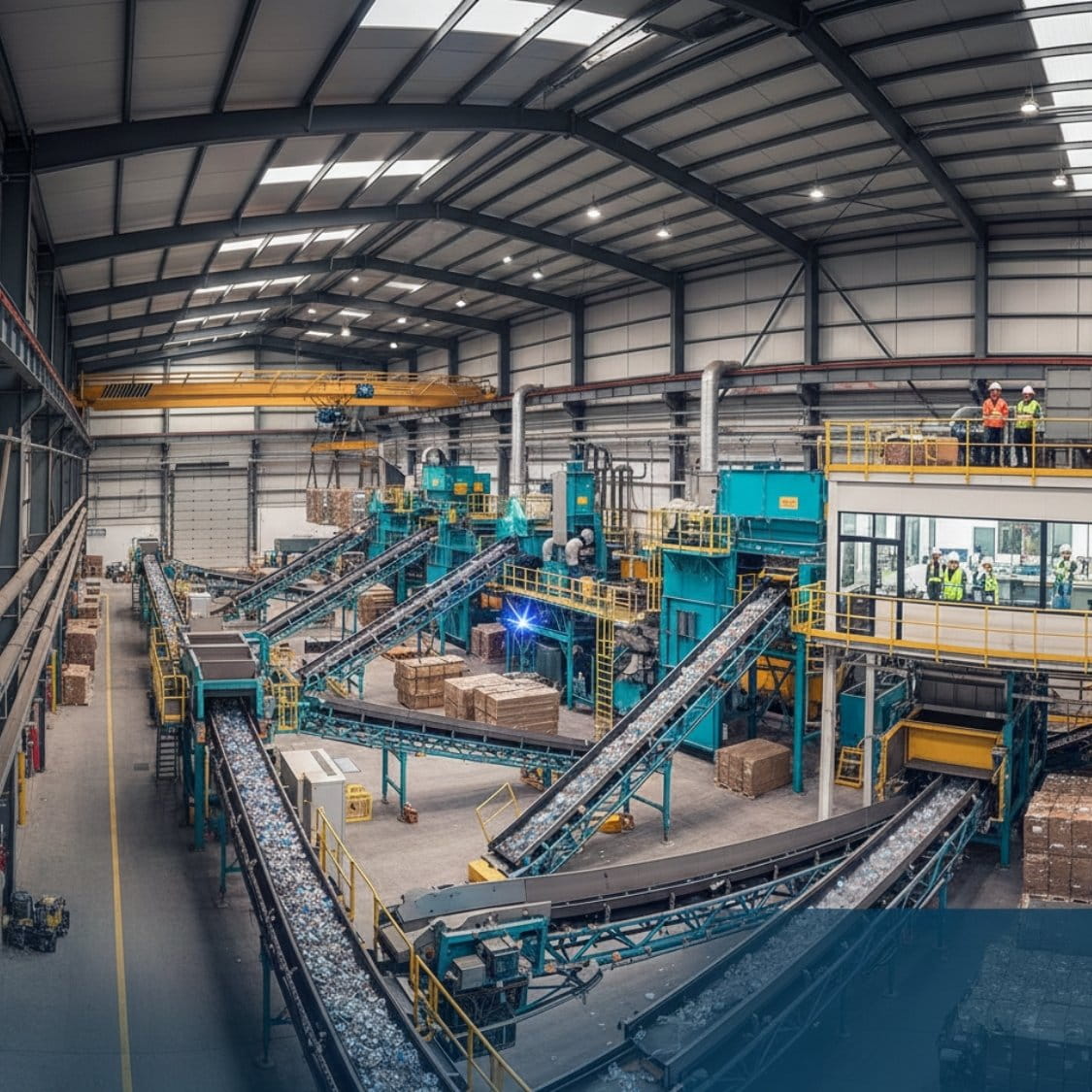
Companies like Proses Makina are leading the charge with turnkey recycling and refining systems that recover high-purity metals from complex waste streams. With expertise in battery recycling, PGM recovery, and e-waste processing, Proses Makina enables industrial-scale, efficient, and environmentally friendly operations that are both economically and technically viable.
Recycling is no longer just about waste — it’s about securing the future of raw material supply, and building a more profitable, sustainable world.