The Role of Recycling Rare Earth Elements (REEs) in Global Supply Chain Security

The Role of Recycling Rare Earth Elements (REEs) in Global Supply Chain Security is becoming increasingly vital as modern technology relies heavily on these materials. In this article, you will learn how recycling REEs can enhance supply chain resilience while addressing environmental concerns.
We explore the significance of REEs, the challenges faced in their global supply chain, and the innovative recycling technologies that are making a difference. Case studies highlight successful implementations in various industries, showcasing the potential for future trends to further secure supply chains through effective REE recycling.
The Role of Recycling Rare Earth Elements (REEs) in Global Supply Chain Security
Rare Earth Elements (REEs) play a crucial role in various high-tech applications, making them invaluable in today’s technology-driven world. Specifically, the role of recycling Rare Earth Elements (REEs) in global supply chain security is becoming increasingly significant. As demand for electronics, renewable energy, and advanced manufacturing grows, the need for sustainable practices in sourcing these materials is more pressing than ever. Consequently, understanding the importance of REEs can help address challenges in both supply chain management and environmental sustainability.
REEs are essential components in numerous devices, from smartphones to electric vehicles. Their unique properties enable innovations such as enhanced battery performance and improved energy efficiency. The geopolitical landscape surrounding REE mining can lead to supply chain vulnerabilities. As a result, diversifying sources through recycling can mitigate risks associated with over-reliance on specific countries or mining operations.
The environmental impact of traditional REE extraction methods cannot be overlooked. Mining and processing these elements often lead to significant ecological degradation and pollution. Therefore, integrating recycling technologies presents a viable solution to reduce waste and conserve resources. By reclaiming REEs from discarded electronics, industries can not only lower their ecological footprint but also enhance the security of their supply chains.
As technology continues to advance, the integration of REE recycling into global supply chains will become even more critical. Stakeholders must invest in innovative recycling methods and infrastructure to support this transition. Increasing awareness about the importance of REEs will encourage both consumers and manufacturers to prioritize sustainability. Consequently, embracing the role of recycling Rare Earth Elements (REEs) can lead to a more secure and resilient technological landscape.
Challenges in the Global Supply Chain of Rare Earth Elements
The global supply chain of rare earth elements (REEs) faces multiple challenges that impact its stability and reliability. One significant issue is the geopolitical tensions among major producing countries, particularly China, which dominates the market. As a result, nations reliant on these resources must navigate complex relationships to secure their supplies.
The extraction and processing of REEs often involve environmental concerns that complicate their supply chain. Mining operations can lead to land degradation, water contamination, and biodiversity loss. These environmental impacts not only pose risks to local communities but also challenge companies to adopt sustainable practices while sourcing these critical materials.
Another challenge is the volatile market demand for rare earth elements, which fluctuates based on technological advancements and consumer preferences. For instance, the rise of electric vehicles and renewable energy technologies has increased the need for specific REEs. Consequently, businesses must adapt quickly to changing market dynamics to maintain supply chain security.
There is a growing need for innovation in recycling and recovery methods for REEs. Current recycling rates are relatively low, leading to increased pressure on primary sources. Enhancing the role of recycling rare earth elements (REEs) in global supply chain security is essential for creating a more resilient and sustainable supply chain.
The Environmental Impact of Rare Earth Mining and Processing
The extraction and processing of rare earth elements (REEs) have significant environmental consequences. Mining operations often result in habitat destruction, soil erosion, and water pollution. The chemicals used in the refining process can contaminate local ecosystems, leading to long-term ecological damage.
One of the most pressing issues is the generation of toxic waste. During the processing of REEs, hazardous byproducts are produced, which can leach into groundwater. Consequently, communities near mining sites face health risks, including exposure to harmful substances that can disrupt endocrine systems.
The carbon footprint associated with rare earth mining is substantial. Heavy machinery and transportation contribute to greenhouse gas emissions, exacerbating climate change. As a result, the environmental impact of rare earth mining extends beyond localized regions, affecting global ecological stability.
Water usage is another critical concern in rare earth extraction processes. Mining operations require large amounts of water, which can deplete local water sources. This excessive consumption can lead to water scarcity for surrounding communities, creating social and economic challenges.
Efforts to mitigate these environmental impacts are crucial. Implementing stricter regulations and promoting sustainable mining practices can help reduce harm. By focusing on the role of recycling rare earth elements (REEs) in global supply chain security, industries can minimize the need for new mining operations and protect the environment.
Innovative Recycling Technologies for Rare Earth Elements
The recycling of rare earth elements (REEs) has gained significant attention due to its potential to enhance sustainability. Innovative technologies have emerged that focus on efficiently extracting REEs from electronic waste and other sources. These advanced techniques not only minimize environmental impacts but also contribute to supply chain security by reducing dependency on virgin materials.
One promising method involves hydrometallurgical processes, which utilize chemical solutions to selectively leach REEs from ores and waste. The integration of biotechnological approaches is also being explored, wherein microorganisms help in recovering these elements. These methods are more environmentally friendly compared to traditional mining, thereby addressing some of the critical challenges faced in the global supply chain.
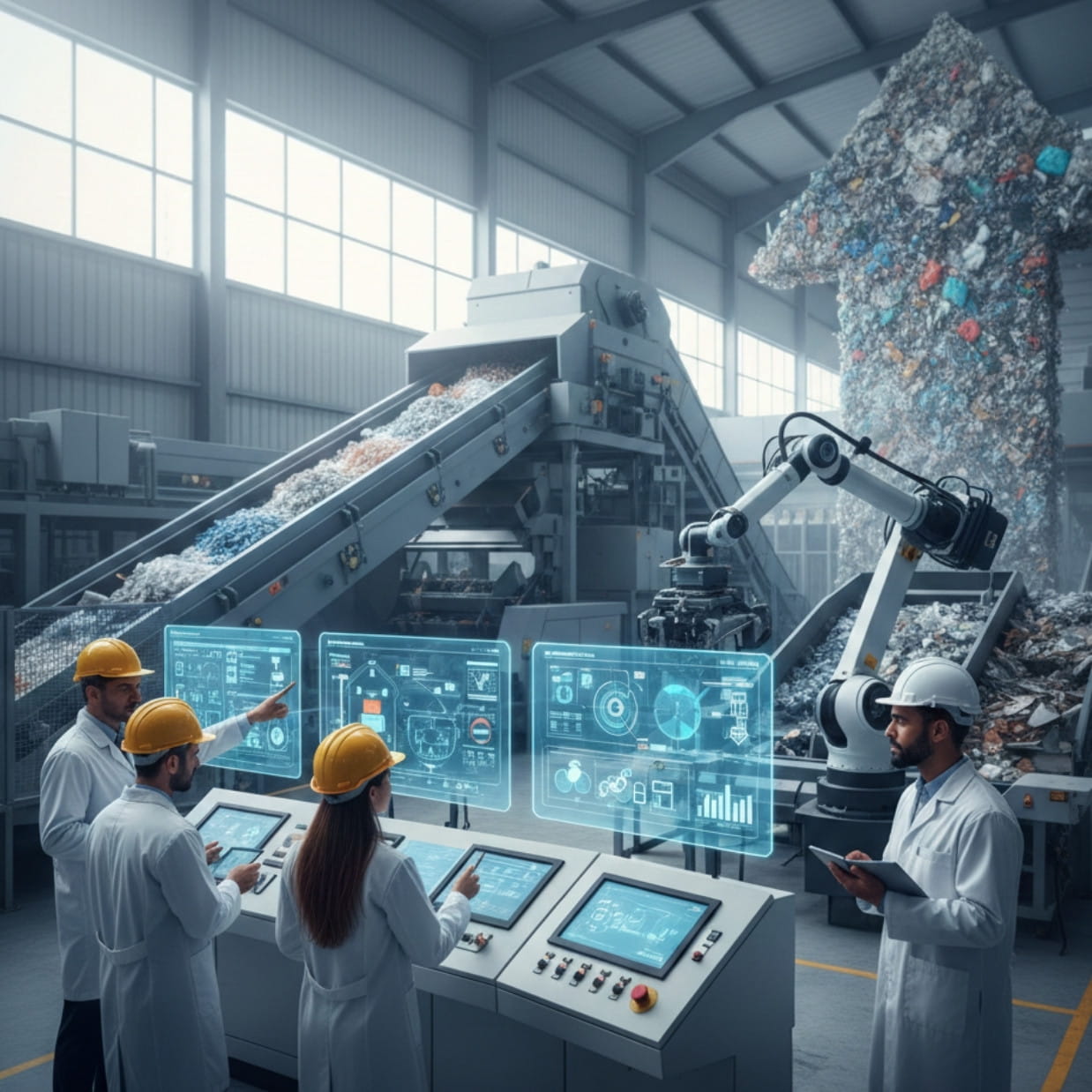
The development of automated separation technologies, such as magnetic and electrostatic separation, has revolutionized the recycling landscape. These systems enhance the purity and yield of recycled REEs, making the process more economically viable. Consequently, the role of recycling rare earth elements (REEs) in global supply chain security becomes increasingly significant, as it supports a more circular economy and decreases reliance on limited natural resources.
Case Studies: Successful Implementation of REE Recycling in Industry
Several industries have successfully integrated the recycling of rare earth elements (REEs) into their operations, demonstrating its effectiveness. For example, a leading electronics manufacturer implemented a robust REE recycling program. This initiative not only reduced raw material costs but also significantly decreased their environmental footprint. Consequently, the company enhanced its brand reputation while ensuring compliance with sustainability regulations.
Another notable case is a global automotive company that adopted advanced recycling technologies to recover REEs from electric vehicle batteries. By establishing partnerships with specialized recycling firms, they developed a closed-loop system. This system ensures the efficient recovery of valuable materials while minimizing waste. As a result, they achieved a sustainable supply chain, positively impacting their production processes.
In the renewable energy sector, a prominent wind turbine manufacturer has made strides in REE recycling. They have developed innovative methods to extract rare earth elements from old turbine components. This approach not only secures a reliable supply of REEs but also significantly reduces the demand for new mining activities. It positions the company as a leader in sustainable practices within the industry.
The tech industry is witnessing a shift with companies investing in REE recycling initiatives. By adopting circular economy principles, they focus on reclaiming rare earth elements from obsolete devices. This strategy minimizes waste and promotes resource efficiency. Therefore, the role of recycling rare earth elements (REEs) in global supply chain security becomes increasingly evident across various sectors.
Future Trends: Enhancing Supply Chain Security Through REE Recycling
The integration of recycling technologies for Rare Earth Elements (REEs) is poised to revolutionize global supply chains. As industries increasingly recognize the importance of sustainability, the role of recycling Rare Earth Elements (REEs) in global supply chain security becomes clearer. Advanced recycling methods will not only help mitigate environmental impacts but also enhance the resilience of supply chains against disruptions. The ability to reclaim valuable REEs from electronic waste can reduce dependence on virgin materials.
Future trends indicate a significant shift towards circular economies where REE recycling plays a pivotal role. By improving collection systems and refining extraction processes, manufacturers can ensure a steady supply of these critical materials. Consequently, this transition will lead to increased energy efficiency and reduced costs associated with mining and processing. As a result, businesses will be better equipped to navigate geopolitical tensions and market fluctuations.
In addition to economic advantages, enhancing supply chain security through REE recycling supports broader environmental goals. The reduction of mining activities leads to less land degradation and lower greenhouse gas emissions. The focus on recycling fosters technological innovation, allowing companies to develop more sustainable practices. As the demand for REEs continues to grow, the emphasis on recycling will undeniably shape the future of supply chains worldwide.