
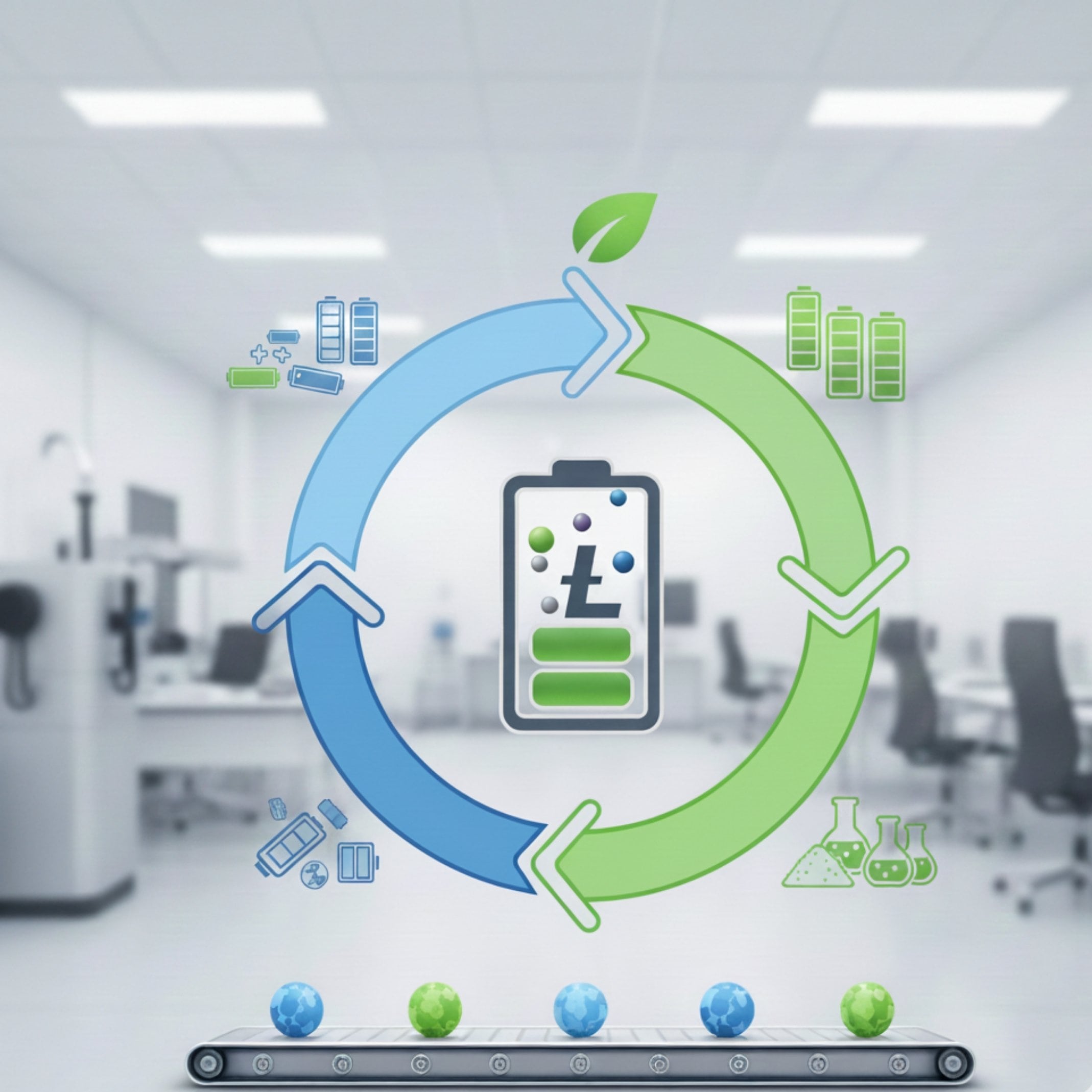

As the world increasingly relies on lithium-ion batteries to power everything from smartphones to electric vehicles, the importance of sustainable recycling solutions has never been more critical. Closed-loop systems in lithium-ion battery recycling represent a strategic approach to efficiently reclaim valuable materials, reduce environmental impact, and promote a circular economy. This article delves into the pressing need for sustainable battery recycling, explores the essential components and benefits of closed-loop systems, and outlines the recycling process from collection to reuse. Additionally, we’ll highlight successful companies that are paving the way in sustainable practices and provide guidance on how to implement closed-loop systems for effective battery recycling. Together, we can ensure that our reliance on modern technology aligns with our commitment to the environment.Discover the essential aspects of sustainable battery recycling, closed-loop systems, key benefits, and leading companies in this comprehensive guide.
The Importance of Closed-Loop Systems in Lithium-Ion Battery Recycling
As the demand for electronic devices grows, so does the need for sustainable battery recycling solutions. Lithium-ion batteries are pivotal to modern technology, powering everything from smartphones to electric vehicles. However, improper disposal can lead to environmental hazards, making it critical to address this issue. The Importance of Closed-Loop Systems in Lithium-Ion Battery Recycling lies in their efficiency in recovering valuable materials while minimizing waste.
Closed-loop systems provide a comprehensive approach that not only enhances recycling processes but also encourages the reuse of materials. By creating a cycle where batteries are reclaimed, refurbished, and reintroduced into production, these systems effectively reduce the need for new raw materials. This is particularly essential in the lithium-ion industry, where resource scarcity poses significant challenges.
Additionally, sustainable battery recycling solutions contribute to lower greenhouse gas emissions, aligning with global sustainability goals. Implementing closed-loop systems fosters environmental responsibility among businesses and consumers alike. As we face the pressing issue of electronic waste, understanding this need for sustainable practices becomes paramount in our collective efforts to protect the planet.
The transition to sustainable battery recycling solutions not only supports environmental health but also promotes economic advantages. As companies adopt The Importance of Closed-Loop Systems in Lithium-Ion Battery Recycling, they pave the way for a more circular economy and contribute to a sustainable future.
Exploring The Closed-Loop Systems: Key Components And Benefits
Closed-loop systems for lithium-ion battery recycling are designed to maximize resource efficiency and minimize environmental impact. At the heart of such systems are several key components: collection, processing, and reintegration. By establishing a transparent and efficient collection network, companies can ensure that used batteries are gathered effectively to feed back into the recycling loop.
Once collected, the battery materials undergo a meticulous processing phase where valuable metals like lithium, cobalt, and nickel are extracted. This is where the true strength of the importance of closed-loop systems in lithium-ion battery recycling is realized, as it allows for the reuse of these materials to create new batteries without the need for additional mining. This not only conserves natural resources but also reduces energy consumption through recycling.
Furthermore, the reintegration of recycled materials into the manufacturing process creates a sustainable cycle that can significantly lessen the carbon footprint associated with battery production. Closed-loop systems also contribute to economic stability by fostering local industries that focus on battery recycling and manufacturing.
By focusing on these key components and their benefits, closed-loop systems serve as a robust model for sustainable practices in the battery industry, providing a clear pathway toward a greener future for energy storage solutions.
The Importance Of Closed-Loop Systems In Lithium-Ion Battery Recycling
Closed-loop systems play a crucial role in the sustainability and efficiency of lithium-ion battery recycling. These systems are designed to minimize waste and enhance the recovery of valuable materials from used batteries. One of the most significant advantages of closed-loop systems is their ability to create a self-sustaining cycle, where materials recovered from end-of-life batteries are reintroduced into the manufacturing process, thereby reducing the need for new raw materials.
Moreover, the integration of the importance of closed-loop systems in lithium-ion battery recycling leads to a significant reduction in the environmental footprint associated with battery production and disposal. By facilitating the reuse of metals such as lithium, cobalt, and nickel, closed-loop systems help to conserve natural resources and mitigate the environmental impacts of mining and processing these materials.
In addition to environmental benefits, closed-loop systems also improve economic viability for battery manufacturers and recycling companies alike. By recovering valuable materials efficiently, businesses can lower operational costs and enhance profit margins. This not only drives innovation in the recycling industry but also encourages organizations to adopt more sustainable practices.
Furthermore, the implementation of closed-loop systems aligns with global regulatory trends focused on sustainability and circular economy principles. As policies increasingly mandate environmentally responsible practices, companies embracing closed-loop recycling are better positioned to comply with regulations and enhance their corporate reputation.
From Collection to Reintegration: Understanding the Closed-Loop Process in Battery Recycling
Understanding and prioritizing the importance of closed-loop systems in lithium-ion battery recycling is essential for stakeholders across the battery manufacturing and recycling spectrum. This approach not only promotes responsible resource management but also serves as a pathway to a more sustainable future for energy storage technologies.
Analyzing the battery recycling process reveals the critical steps that ensure valuable materials are recovered and reused effectively. The journey begins with collection, where used lithium-ion batteries are gathered from consumers and businesses. Proper collection methods are vital to maintain safety and efficient transportation, minimizing risks associated with handling potentially hazardous materials.
Once collected, batteries are transported to specialized recycling facilities where they are sorted and dismantled. This phase involves sorting batteries based on their chemistry and condition, with teams employing state-of-the-art technologies to enhance efficiency. The separation of batteries ensures that recyclable components such as lithium, cobalt, and nickel are extracted systematically.
The next stage involves processing, where the dismantled batteries undergo a series of methods to extract valuable materials. Techniques such as pyrometallurgical and hydrometallurgical processes come into play, allowing for the recovery of high-purity metals suitable for reuse in new batteries. This phase exemplifies the importance of closed-loop systems in lithium-ion battery recycling, as it facilitates a seamless cycle where reclaimed materials can be reintegrated into production.
Once the materials are processed, they are prepared for reuse in manufacturing new batteries or other products. This not only reduces the demand for virgin materials but significantly lessens the environmental impact associated with battery production. As an example of effective sustainability practice, closed-loop systems not only support economic growth but foster a healthier planet for future generations.
Success Stories: Companies Leading The Charge In Sustainable Practices
Various companies are stepping up to implement The Importance of Closed-Loop Systems in Lithium-Ion Battery Recycling, showcasing how sustainable practices can be effectively integrated into their operations. Here are a few noteworthy examples:
1. Tesla
Tesla has set a benchmark in the electric vehicle (EV) industry with its commitment to sustainability through a comprehensive battery recycling program. The company utilizes a closed-loop system, recovering valuable materials from used batteries to minimize waste and reduce the need for raw material extraction. Their innovative Gigafactory not only produces batteries but also recycles them, thus enhancing their eco-friendly initiatives.
2. Li-Cycle
Li-Cycle is a pioneering company dedicated to lithium-ion battery recycling. They operate under a circular economy model, focusing on the recovery of battery materials like lithium, cobalt, and nickel from used batteries. Their closed-loop processes ensure that materials are reused and repurposed, significantly reducing environmental impact and supporting sustainable practices.
3. Redwood Materials
Founded by former Tesla executive JB Straubel, Redwood Materials offers solutions that effectively cycle raw materials back into the battery supply chain. They have developed a closed-loop system that recycles batteries and electronic waste, recovering critical materials and enabling manufacturers to source recycled components. This not only conserves resources but also sets an industry standard for sustainability.
These companies demonstrate that embracing The Importance of Closed-Loop Systems in Lithium-Ion Battery Recycling is not just beneficial for the environment; it also enhances their business models by creating cost savings and fostering consumer trust in sustainable practices. As these leaders pave the way, they prove that innovation and responsibility can go hand in hand in the quest for greener energy solutions.
A Step-by-Step Guide to Adopting Closed-Loop Li-ion Battery Recycling Systems
Implementing closed-loop systems for lithium-ion battery recycling is essential for companies aiming to enhance their sustainability efforts. To get started, organizations must first assess their current battery usage and recycling capabilities. This involves conducting a thorough analysis of the types of batteries in use, the volume of batteries disposed of, and existing recycling partnerships. By understanding the operational landscape, companies can identify gaps and opportunities for improvement.
Next, establishing partnerships with certified recycling facilities is crucial. These facilities should specialize in the importance of closed-loop systems in lithium-ion battery recycling to ensure that materials are being processed efficiently and ethically. Collaborating with experts in the field not only boosts credibility. But also ensures compliance with environmental regulations.
Furthermore, organizations should invest in educating employees and stakeholders about the benefits of closed-loop systems. By fostering a culture of sustainability, companies can create an informed workforce that actively participates in the recycling process. This internal engagement can lead to innovative solutions for better battery management and recycling.
Measuring the impact of these closed-loop systems through regular audits and metrics is essential for continuous improvement. By tracking progress and outcomes, organizations can refine their processes, demonstrate their commitment to sustainability, and highlight the importance of closed-loop systems in lithium-ion battery recycling within their corporate social responsibility efforts.
