
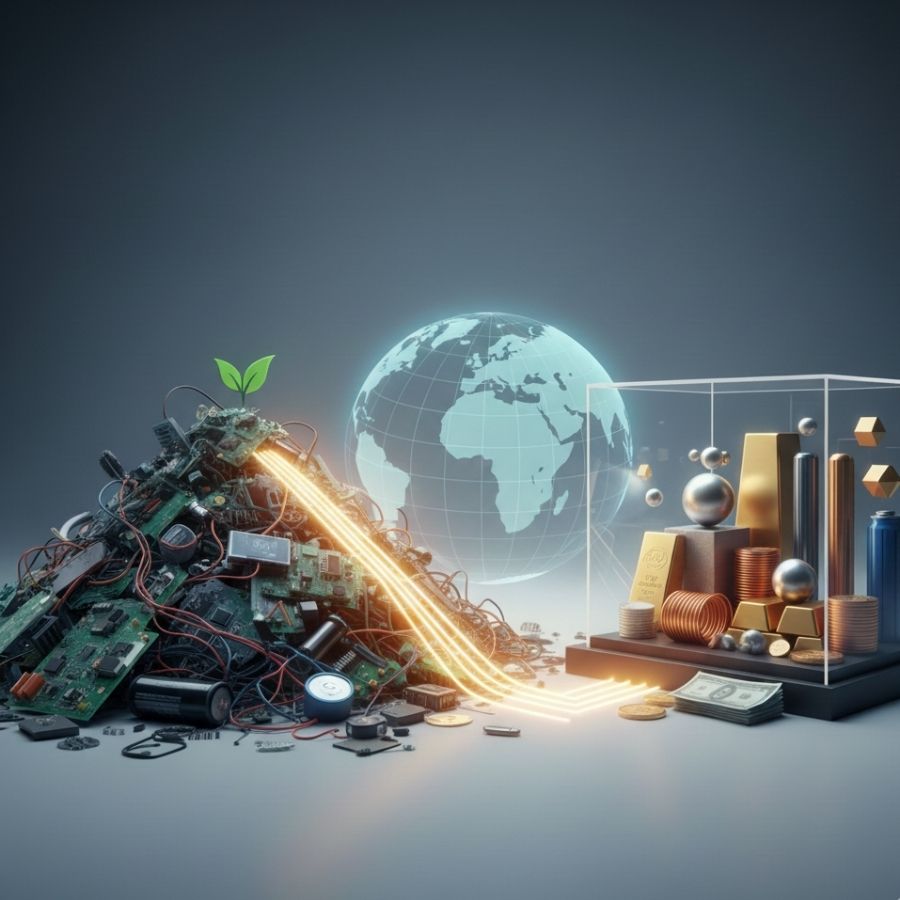
Recovery of Critical Raw Materials from E-Waste: An Environmental and Economic Imperative

In an age where technology is rapidly evolving, the proliferation of electronic waste (e-waste) poses a significant challenge to both the environment and the economy. With millions of tons of e-waste generated annually, the need for effective recovery of critical raw materials has never been more pressing. This article explores the vital role e-waste recycling plays in sustainable development, shedding light on the current state of e-waste management and innovative technologies that enhance recovery processes. By examining notable success stories and effective solutions, we will illustrate how embracing e-waste recycling is not just an environmental necessity, but also an economic imperative. Join us as we delve into the transformative potential of recovering valuable materials from discarded electronics, paving the way for a greener future.Explore the critical role of e-waste recycling, from its environmental impact to innovative technologies and successful initiatives for sustainable raw material recovery.
Recovery of Critical Raw Materials from E-Waste: An Environmental and Economic Imperative
E-waste, encompassing discarded electronic appliances like smartphones, computers, and televisions, represents one of the fastest-growing waste streams globally. As technology advances rapidly, the lifespan of electronic devices shortens, leading to an increase in e-waste generation. Addressing this environmental challenge is vital, not only for ecological preservation but also for the Recovery of Critical Raw Materials from E-Waste: An Environmental and Economic Imperative.
One of the foremost reasons for prioritizing e-waste recycling is its impact on natural resource conservation. Many components of electronic devices contain valuable metals and materials such as gold, silver, copper, and rare earth elements, which can be recovered and reused. Utilizing these reclaimed materials reduces the need for mining, which often leads to significant environmental degradation and resource depletion.
Furthermore, effective e-waste recycling mitigates the harmful effects of toxic substances found in electronic products. Devices may contain hazardous materials like lead, mercury, and cadmium that, if not managed properly, can leach into the soil and water systems, posing health risks to both humans and wildlife. By recycling e-waste, these harmful substances can be safely processed, reducing environmental pollution and enhancing public health.
From an economic perspective, the Recovery of Critical Raw Materials from E-Waste: An Environmental and Economic Imperative also presents significant opportunities. Recycling e-waste can create jobs in the green technology and recycling sectors, contributing to local economies. Additionally, the reclaimed materials can be reintroduced into manufacturing processes, reducing costs for businesses and minimizing dependence on imported raw materials.
Consumer awareness and participation in e-waste recycling initiatives have been shown to foster a sustainable future. By promoting responsible disposal and recycling practices, communities can significantly lessen the environmental footprint associated with electronics consumption. Each individual’s effort contributes to the larger goal of increasing recycling rates and enhancing the circular economy for electronic products.
The importance of e-waste recycling extends beyond mere waste management. It encapsulates a necessary shift towards sustainability, resource conservation, and economic resilience. By focusing on the Recovery of Critical Raw Materials from E-Waste: An Environmental and Economic Imperative, society can achieve a more sustainable and economically viable future.
Understanding The Importance Of E-Waste Recycling
The current state of e-waste continues to be a pressing challenge globally, with millions of tons generated each year. Despite the increasing awareness around electronic waste, a significant portion remains unprocessed or improperly disposed of. This has created not only environmental hazards but also a missed opportunity to tap into valuable resources. The Recovery of Critical Raw Materials from E-Waste: An Environmental and Economic Imperative underscores the need to enhance recovery methods and processes to maximize resource extraction and minimize ecological impact.
Currently, much of the e-waste generated is sent to landfills or incinerated, contributing to soil and air pollution. However, as technology advances, innovative recovery techniques are emerging that can efficiently extract precious metals and materials from old electronics. With the right infrastructure and practices, we can reclaim a wealth of materials such as gold, silver, and rare earth elements, thus reducing our dependency on virgin mining and improving our resource sustainability.
Investment in modern recycling facilities and technologies is crucial in addressing the e-waste challenge. These facilities not only focus on maximizing the recovery rates of critical materials but also on ensuring that the process is conducted in an environmentally responsible manner. By creating a circular economy for electronics, stakeholders can turn e-waste into a valuable resource rather than a threat.
Furthermore, raising public awareness about the importance of e-waste recycling can drive the necessary changes in consumer behavior, encouraging individuals and businesses alike to engage with proper recycling programs. The collaborative efforts among manufacturers, governments, and consumers will play an essential role in transforming the current landscape of e-waste management and recovery.
The Recovery of Critical Raw Materials from E-Waste: An Environmental and Economic Imperative is more than just a trend; it is a necessity for sustainable development. As the world becomes increasingly reliant on electronic devices, the demand for these raw materials outstrips what can be mined from traditional sources. This has led to a pressing need to explore avenues for recovering these materials from e-waste, which can otherwise contribute to significant environmental harm if not managed properly.
E-waste contains valuable metals such as gold, silver, palladium, and rare earth elements, which are essential for various modern technologies. By implementing efficient recovery processes, businesses can not only reduce the environmental footprint but also create an economic incentive by converting waste into valuable resources. This dual benefit emphasizes the significance of adopting e-waste recycling practices.
Moreover, the recovery process contributes to a circular economy, where materials are reused and recycled instead of being disposed of. This not only preserves finite resources but also minimizes the energy and water consumption typically associated with raw material extraction. Therefore, the imperative for the Recovery of Critical Raw Materials from E-Waste: An Environmental and Economic Imperative transcends mere environmental concerns, aligning with global goals towards sustainability and responsible consumption.
Companies willing to invest in innovative recycling technologies and strategies will gain a competitive edge in a market that increasingly values sustainability. In the long run, embracing such practices not only protects the planet but also enhances corporate reputation and builds consumer trust.
Innovative Technologies For Efficient E-Waste Processing
The recovery of critical raw materials from e-waste is becoming increasingly efficient, thanks to the advent of innovative technologies. These advanced methods not only streamline the recycling process but also enhance the recovery rates of valuable materials. For instance, automated systems equipped with AI and machine learning algorithms can identify and segregate different types of e-waste with remarkable precision, ensuring that recyclable components are processed optimally.
Moreover, hydrometallurgical techniques are gaining traction in the e-waste recycling industry. These methods utilize environmentally friendly solvents to extract precious metals like gold, silver, and palladium from circuit boards and components. This technique minimizes the use of harmful chemicals traditionally used in metal recovery, aligning with the recovery of critical raw materials from e-waste: an environmental and economic imperative.
Another groundbreaking technology includes pyrolysis, which involves heating e-waste in the absence of oxygen to recover metals and produce energy. This process not only eliminates waste but also generates valuable by-products that can be utilized in various industries. The integration of these innovative technologies fosters a more sustainable approach to e-waste management, directly contributing to the overarching goal of creating a circular economy.
In addition to these methods, the development of modular recycling systems tailored for local processing is a significant advancement. These systems can be transported to various e-waste collection sites, enabling more communities to participate in recycling initiatives without the burden of transporting materials to distant facilities.
Notable Success Stories: E-Waste Recovery Initiatives
Globally, numerous initiatives have successfully showcased the potential impact of effective Recovery of Critical Raw Materials from E-Waste: An Environmental and Economic Imperative. One of the leading examples is the partnership between private companies and governments aimed at ramping up e-waste recycling programs. By implementing comprehensive e-waste collection schemes, these initiatives have significantly reduced the volume of electronic waste that ends up in landfills.
In the European Union, programs like the Waste Electrical and Electronic Equipment (WEEE) Directive encourage member states to adopt strict recycling targets. This directive has facilitated a marked increase in the recovery of valuable materials such as gold, silver, and palladium from discarded electronic devices. The initiative also highlights the importance of public awareness campaigns educating citizens about responsible e-waste disposal.
Another notable success story can be found in India, where the informal e-waste recycling sector has gradually been transitioned into formal frameworks. By developing structured frameworks, local governments and NGOs have empowered informal recyclers with better practices and technology to recover critical raw materials safely and efficiently. This shift not only improves environmental outcomes but also provides economic benefits through job creation in sustainable sectors.
These success stories demonstrate the vital role that well-designed e-waste recovery initiatives play in promoting sustainability. They underscore the dual benefits of protecting our planet while also capitalizing on the economic opportunities that arise from the recovery of valuable resources embedded in discarded electronics.
How To Get Started With E-Waste Recycling Solutions
Embarking on the journey of e-waste recycling is a crucial step towards the Recovery of Critical Raw Materials from E-Waste: An Environmental and Economic Imperative. To get started, it’s vital to assess your current electronic waste. Gather all unused or outdated electronics that may include old smartphones, computers, and various peripherals.
The next step involves identifying local recycling facilities that specialize in e-waste. Many communities now have dedicated e-waste recycling programs, making it easier for individuals and businesses to responsibly dispose of their electronics. Research and choose a facility that adheres to ethical recycling practices, ensuring that the materials are processed in an environmentally friendly manner.
Once you have identified suitable facilities, consider organizing a community e-waste collection event. This not only promotes recycling awareness but also allows you to gather larger quantities of e-waste for processing. Engaging with local businesses can enhance this effort, making it a collaborative initiative.
It’s essential to stay informed about the latest technologies and trends in e-waste recycling. This knowledge will empower you to advocate for responsible recycling within your community and contribute to the broader goals of maximizing the recovery of critical raw materials from e-waste.
