Achieving the Zero-Waste Goal in Metal Recovery from Industrial Waste Streams is an essential endeavor for industries aiming to enhance sustainability. In this article, you will discover innovative strategies and technologies that facilitate efficient metal recovery while minimizing waste.
This review covers key topics such as understanding zero-waste principles, best practices for implementation, and successful case studies that highlight real-world applications. It discusses the challenges faced in this field and offers insights into future trends that promise to shape the landscape of metal recovery from industrial waste streams.
Achieving the Zero-Waste Goal in Metal Recovery from Industrial Waste Streams
Zero-waste principles are essential in the context of metal recovery, especially when Achieving the Zero-Waste Goal in Metal Recovery from Industrial Waste Streams is the focus. These principles emphasize minimizing waste through efficient processes and recycling. Consequently, companies can significantly reduce their environmental impact while maximizing resource recovery. Embracing these principles leads to sustainable practices that benefit both industries and the planet.
One fundamental aspect of zero-waste principles is the concept of circular economy. This approach aims to keep materials in use for as long as possible. Therefore, industries should prioritize the recovery and reuse of metals from waste. By implementing effective recycling techniques, businesses can transform waste into valuable resources, ultimately fostering a sustainable future.
Collaboration among stakeholders plays a vital role in achieving zero-waste goals. Partnerships between manufacturers, waste management companies, and regulators can enhance metal recovery efforts. For example, joint initiatives can lead to the development of innovative technologies that streamline recovery processes. This cooperation not only improves efficiency but also encourages knowledge sharing and best practices.
Understanding zero-waste principles is crucial for industries aiming for sustainability. By focusing on efficient recycling and fostering collaboration among stakeholders, companies can significantly improve their metal recovery efforts. As a result, they contribute to a cleaner environment and a more sustainable economy. Embracing these principles is a step toward a future where waste is minimized, and resources are conserved.
Innovative Technologies for Efficient Metal Recovery from Industrial Waste
Recent advances in technology have transformed the landscape of metal recovery from industrial waste. Innovative methods, such as hydrometallurgy and pyrometallurgy, have shown great promise in enhancing recovery rates. These processes utilize chemical and thermal treatments to extract valuable metals efficiently. Consequently, industries can significantly reduce waste while maximizing resource recovery.
biotechnology is emerging as a sustainable alternative for metal recovery. Microorganisms can selectively leach metals from waste streams, offering an eco-friendly solution. For instance, certain bacteria can metabolize metals, thus facilitating their recovery without harmful chemicals. This innovative approach aligns well with achieving the zero-waste goal in metal recovery from industrial waste streams.
Another promising technology is the use of advanced separation techniques, such as flotation and magnetic separation. These methods enhance the efficiency of metal extraction by targeting specific metals within complex waste mixtures. As a result, industries can achieve higher purity levels and recovery rates. This precision is crucial for meeting stringent environmental regulations and maximizing economic returns.
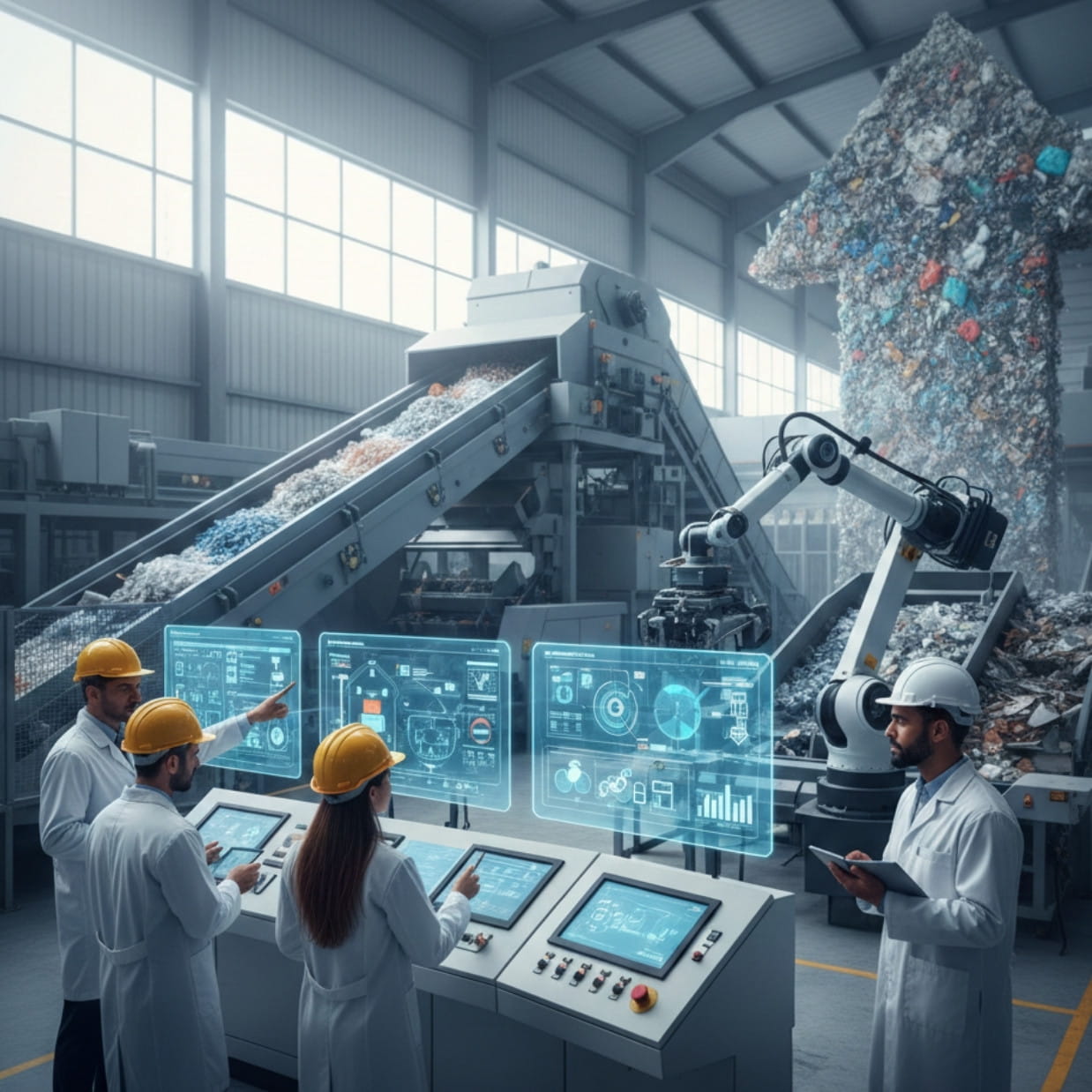
The integration of automation and artificial intelligence in metal recovery processes is gaining traction. Smart systems can analyze data in real time, optimizing recovery operations and minimizing waste. This technological synergy not only enhances efficiency but also reduces operational costs. Therefore, industries that adopt these technologies can better position themselves in a competitive market.
In addition, the development of recycling technologies for electronic waste has opened new avenues for metal recovery. As electronic components become obsolete, valuable metals can be extracted and reused. Innovations in this area contribute significantly to achieving the zero-waste goal in metal recovery from industrial waste streams. By leveraging these technologies, industries can create a more sustainable future and reduce their environmental impact.
Best Practices for Implementing Zero-Waste Strategies in Metal Recovery
Implementing zero-waste strategies in metal recovery requires a comprehensive approach. Organizations must assess their current processes and identify areas for improvement. Establishing a clear framework for waste management can significantly enhance efficiency. This systematic evaluation will help in minimizing environmental impact while optimizing resource recovery.
Collaboration among stakeholders is essential for successful zero-waste implementation. Engaging suppliers, manufacturers, and recycling facilities can lead to innovative solutions. For example, developing partnerships can facilitate sharing of resources and technologies. Consequently, these collaborations can foster a culture of sustainability throughout the supply chain.
Education and training play a crucial role in achieving the zero-waste goal in metal recovery from industrial waste streams. Employees should be well-informed about sustainable practices and the importance of waste reduction. Implementing regular training sessions can empower staff to contribute actively. As a result, organizations can cultivate a workforce that prioritizes environmental responsibility.
Investing in advanced technologies can greatly enhance metal recovery processes. Automation and data analytics can optimize operations by providing real-time insights. These technologies can help in monitoring waste generation and recovery rates. Therefore, leveraging innovative tools is critical for achieving significant waste reduction.
Continuous improvement and regular audits are necessary for sustaining zero-waste initiatives. Organizations should routinely evaluate their strategies and adapt to new challenges. By setting measurable goals and tracking progress, companies can identify successes and areas for improvement. This proactive approach ultimately supports the overall mission of achieving the zero-waste goal in metal recovery from industrial waste streams.
Case Studies: Successful Zero-Waste Metal Recovery Initiatives
Numerous industries have successfully implemented zero-waste metal recovery initiatives, showcasing potential pathways for others. For example, a prominent electronics manufacturer adopted a closed-loop system to reclaim precious metals from discarded circuit boards. This initiative not only reduced waste but also minimized the need for new raw materials. Consequently, their approach exemplifies how businesses can align with the principles of achieving the zero-waste goal in metal recovery from industrial waste streams.
Another notable case is a mining company that shifted towards sustainable practices by integrating a zero-waste strategy. They developed a comprehensive program that focused on recovering metals from tailings, which are often discarded. By utilizing advanced extraction technologies, the company successfully recovered significant amounts of copper and gold, thus transforming waste into valuable resources. This case highlights the effectiveness of innovative methods in achieving the zero-waste goal in metal recovery from industrial waste streams.
A leading automotive manufacturer has also made strides in this area by implementing a circular economy model. They established partnerships with recycling facilities to reclaim metals from vehicle end-of-life processes. As a result, the company achieved a remarkable reduction in landfill waste, while simultaneously increasing the percentage of recycled materials in new vehicles. This initiative serves as a prime example of how industries can effectively contribute to achieving the zero-waste goal in metal recovery from industrial waste streams.
A construction firm adopted a zero-waste policy by focusing on metal recovery from demolition debris. They implemented a systematic approach to sort and recycle metals from old buildings, significantly reducing their environmental impact. This initiative not only conserved resources but also set a benchmark for sustainable practices in the construction industry. Such examples demonstrate the diverse applications of achieving the zero-waste goal in metal recovery from industrial waste streams across different sectors.
Challenges in Achieving Zero-Waste in Metal Recovery and How to Overcome Them
One of the primary challenges in achieving the zero-waste goal in metal recovery from industrial waste streams is the lack of standardized processes. Various industries generate diverse waste types, making it difficult to implement uniform recovery methods. Consequently, companies often face inconsistent recovery rates, which can hinder overall progress. The absence of regulations can lead to environmental compliance issues.
Another significant obstacle is the financial investment required for advanced technology and infrastructure. Implementing innovative metal recovery systems can be costly, particularly for small and medium enterprises. However, the long-term benefits often outweigh initial expenses, leading to sustainable practices. Therefore, securing funding through governmental grants or partnerships can be beneficial in overcoming this financial hurdle.
There is often a knowledge gap regarding best practices in zero-waste metal recovery. Many organizations lack the expertise required to optimize recovery processes effectively. To address this challenge, it’s essential to promote training programs and workshops focused on enhancing skills in metal recovery. By fostering a culture of learning, industries can significantly improve their chances of achieving the zero-waste goal in metal recovery from industrial waste streams.
Future Trends in Zero-Waste Metal Recovery from Industrial Waste Streams
As industries evolve, new trends are emerging in zero-waste metal recovery techniques. Innovative methods are being developed to enhance efficiency and sustainability. For instance, the integration of artificial intelligence and machine learning can optimize recovery processes. These technologies can analyze vast data sets, leading to improved decision-making in metal recovery strategies.
Advancements in recycling technologies are paving the way for increased recovery rates. Techniques like hydrometallurgy and biotechnological processes are gaining momentum. These methods not only reduce waste but also minimize the environmental impact of metal extraction. As a result, industries are moving closer to.
Collaboration between stakeholders is also a crucial trend in this field. Partnerships among manufacturers, waste management companies, and researchers can foster innovation. By sharing best practices and resources, these collaborations can drive the development of sustainable solutions. Consequently, industries can enhance their metal recovery processes while adhering to zero-waste principles.
In addition, regulatory frameworks are evolving to support zero-waste initiatives. Governments are implementing stricter regulations on waste management and recycling practices. These policies encourage industries to adopt more sustainable approaches in their operations. Therefore, compliance with these regulations can further propel the movement towards achieving the zero-waste goal in metal recovery from industrial waste streams.
Public awareness and consumer demand for sustainable practices are influencing industry trends. Increasingly, consumers prefer products made from recycled materials. This shift is prompting companies to adopt zero-waste strategies in their metal recovery efforts. As industries respond to this demand, they will contribute significantly to the overall sustainability goals in metal recovery.