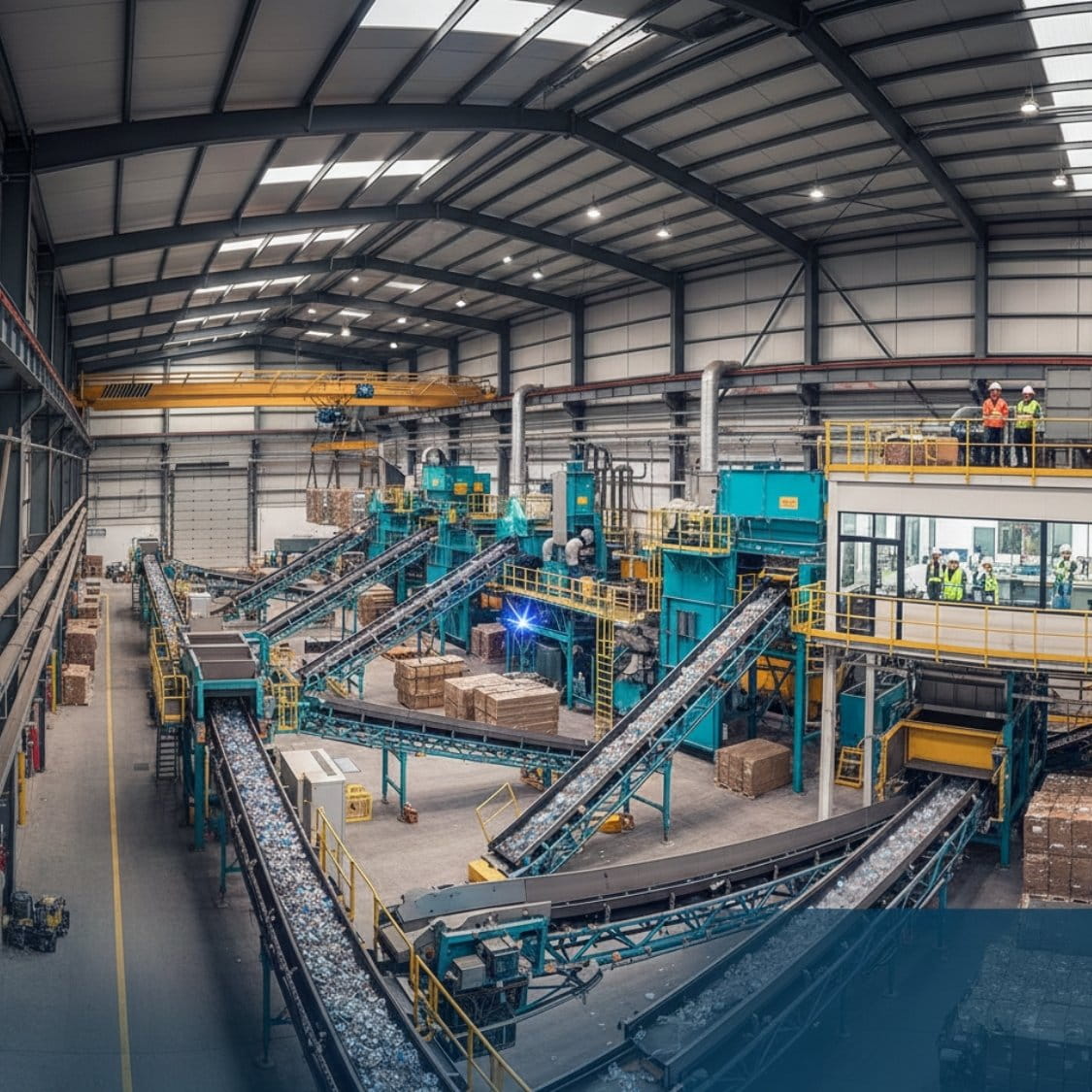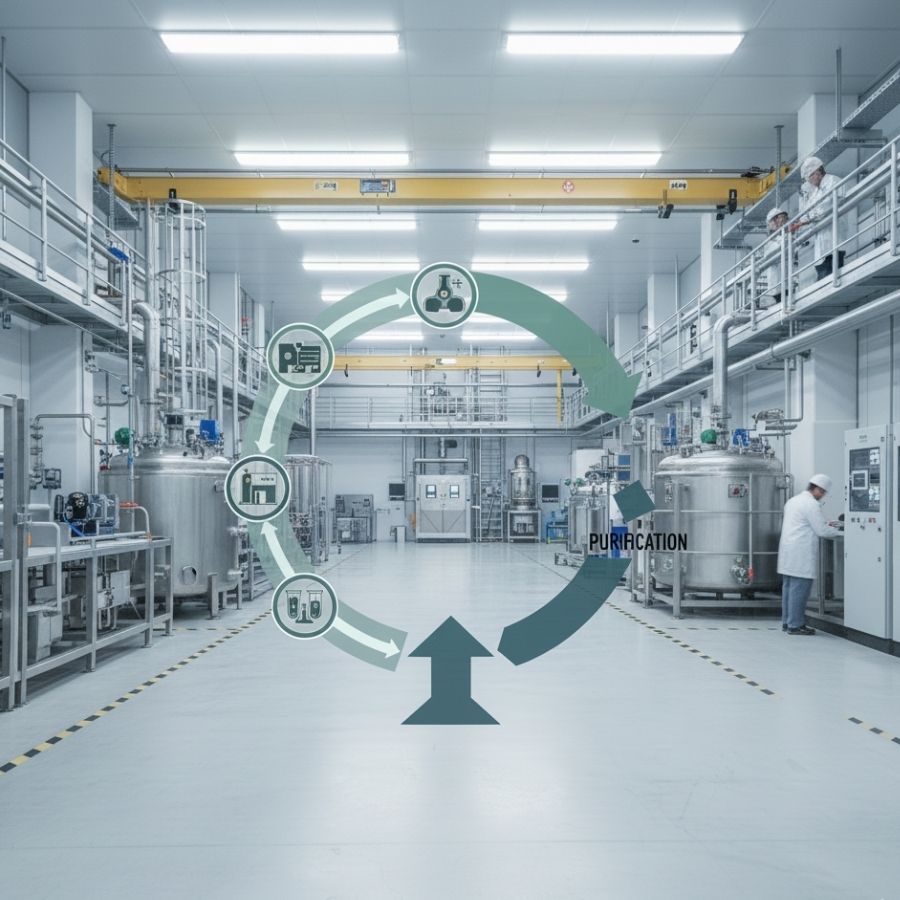

In today’s rapidly evolving industrial landscape, the high-efficiency recovery of Platinum Group Metals (PGMs) from spent catalysts has emerged as a crucial focus for sustainability and resource management. As industries increasingly recognize the value of recycling PGMs, understanding their significance becomes paramount. Spent catalysts—containing precious metals like platinum, palladium, and rhodium—offer a wealth of recoverable materials that can significantly reduce environmental impact. This article delves into the intricate processes of PGM recovery, spotlighting innovative technologies and highlighting the challenges faced in maximizing efficiency. With a focus on the importance of PGMs, the role of spent catalysts, and cutting-edge advancements in recovery methods, we aim to shed light on effective strategies for extracting these vital metals, ensuring that both industry and environment benefit in tandem.Explore the significance of Platinum Group Metals and their recovery from spent catalysts, including technologies, challenges, and key takeaways for effective processes.
High-Efficiency Recovery of Platinum Group Metals (PGMs) from Spent Catalysts
Platinum Group Metals (PGMs) play a critical role in various industrial applications due to their unique chemical and physical properties. These metals, which include platinum, palladium, rhodium, and others, are known for their excellent catalytic abilities, making them indispensable in the automotive industry for catalytic converters that reduce harmful emissions.
In addition to their automotive applications, High-Efficiency Recovery of Platinum Group Metals (PGMs) from Spent Catalysts is becoming increasingly crucial in electronics, jewelry, and specialized manufacturing processes. As demand for PGMs continues to rise, so does the need for effective recycling methodologies to reclaim these valuable resources from spent catalysts and other sources.
Moreover, the recovery of PGMs contributes significantly to environmental sustainability. By recycling these precious metals, industries can reduce their reliance on mining, which often has detrimental ecological impacts. Efficient recovery processes not only lower production costs but also help in conserving natural resources.
Understanding the significance of PGMs is essential for advancing technologies aimed at their recovery. The ongoing innovations in recovery processes ensure that these valuable metals remain available for future generations while also addressing the critical environmental challenges we face today.
The Role Of Spent Catalysts In PGM Recovery
Spent catalysts play a critical role in the High-Efficiency Recovery of Platinum Group Metals (PGMs) from Spent Catalysts. These materials, once used in various industrial processes, contain significant quantities of PGMs such as platinum, palladium, and rhodium. Understanding the influence of spent catalysts in the recovery process is essential for advancing recycling technologies and ensuring sustainable practices.
The accumulation of spent catalysts, especially from automobile catalytic converters and chemical manufacturing processes, provides a substantial source of PGMs that can be efficiently recovered. By optimizing the recovery techniques, industries can not only reclaim valuable metals but also mitigate the environmental impact associated with mining new ores.
Moreover, the composition and structure of spent catalysts can vary significantly depending on their application, leading to diverse recovery challenges and opportunities. Utilizing specialized recovering methods tailored to the specific characteristics of different spent catalysts enhances extraction efficiency and overall yield of PGMs.
As industries continue to focus on sustainable resource management, the recognition of spent catalysts as a vital resource in the High-Efficiency Recovery of Platinum Group Metals (PGMs) from Spent Catalysts will drive innovations in both technology and methodology in future recycling efforts.
High-Efficiency Recovery Of Platinum Group Metals (PGMs) Explained
High-Efficiency Recovery of Platinum Group Metals (PGMs) from Spent Catalysts is vital to maximizing resource utilization and minimizing environmental impacts. This process begins with the identification of suitable catalysts containing PGMs, as these materials often contain precious metals that can be extracted effectively.
A variety of methods exist for performing this high-efficiency recovery, each tailored to specific compositions and conditions of the spent catalysts. These methods often involve a combination of pyrometallurgical and hydrometallurgical approaches, which are designed to optimize recovery rates while lowering operational costs.
Moreover, advancements in processing technology continue to enhance the efficiency of PGM recovery. Innovative techniques such as bioleaching and solvent extraction are gaining traction, further refining the efficiency of the recovery processes.
Achieving high efficiency in PGM recovery is not only about technological prowess but also entails ensuring rigorous adherence to environmental regulations. The exploration of sustainable practices alongside recovery operations has become vital for businesses aiming to balance profitability with ecological responsibility.
Technologies Used In PGM Recovery From Spent Catalysts
Efficient recovery of Platinum Group Metals (PGMs) from spent catalysts is vital for both environmental sustainability and resource efficiency. Several advanced high-efficiency recovery of Platinum Group Metals (PGMs) from spent catalysts technologies have been developed to facilitate this process. These methods range from hydrometallurgical techniques to pyrometallurgical ones, each offering unique advantages.
One prominent technology involves the use of chemical leaching processes, where acids or other leachants dissolve the metals from the catalyst matrix, enabling easier separation and purification. This method is favored for its ability to extract high yields of PGMs while minimizing waste products.
Additionally, pyrolysis is another method gaining traction. By heating spent catalysts at high temperatures in an inert atmosphere, the organic components are decomposed, allowing the recovery of PGMs in a more concentrated form. This approach can be particularly effective for certain types of spent catalysts.
Moreover, solvent extraction techniques are increasingly being employed. These involve using organic solvents to selectively extract PGMs from aqueous solutions post-leaching, leading to precise separation and purification. Each of these technologies contributes to the overall goal of achieving a more sustainable and efficient lifecycle for PGMs extracted from spent catalysts.
Challenges And Innovations In PGM Recovery Processes
The process of High-Efficiency Recovery of Platinum Group Metals (PGMs) from Spent Catalysts is fraught with various challenges that require innovative solutions. One significant challenge is the structural complexity of spent catalysts, which can lead to low recovery rates and increased processing times. The presence of other metals and contaminants adds to this complexity, making selective recovery a daunting task.
Moreover, the environmental impact of PGM recovery processes cannot be overlooked. Traditional methods often employ harsh chemicals that pose risks to both workers and ecosystems. Consequently, researchers are focusing on developing greener and more sustainable recovery methods that minimize environmental damage while maintaining efficiency.
Innovations in hydrometallurgical and pyrometallurgical techniques are enhancing the efficiency of PGM recovery. For example, the use of biotechnological approaches, such as bioleaching, is being explored to extract PGMs using minimal energy and reagents. These methods not only lower environmental impact but also reduce operational costs.
In addition, advancements in analytical technologies allow for better monitoring and optimization of recovery processes. By employing real-time data analysis and automation, operators can adapt to changing feed compositions, resulting in more stable and efficient recovery outcomes.
Key Takeaways For Effective PGM Recovery From Spent Catalysts
To achieve high-efficiency recovery of Platinum Group Metals (PGMs) from spent catalysts, several key factors should be considered. These takeaways can significantly enhance recovery processes and improve overall efficiency:
- Selection of Appropriate Technology: Choosing the right recovery technology is crucial. Techniques such as hydrometallurgical and pyrometallurgical processes offer different advantages. It’s important to select methods that align with the specific characteristics of the spent catalysts being processed.
- Quality of Feed Material: The composition of the spent catalysts directly impacts the recovery rates. A thorough analysis of the feed material is recommended to optimize recovery efforts.
- Process Optimization: Fine-tuning operational parameters such as temperature, pressure, and chemical concentration can lead to improved extraction rates. Continuous monitoring and adjustments during processing are essential for enhancing efficiency.
- Environmental Considerations: Adopting eco-friendly methods can contribute to sustainable practices in PGM recovery. Innovations that minimize waste and reduce toxic byproducts should be prioritized.
- Collaboration with Experts: Engaging with industry experts and researchers can provide valuable insights into the latest advancements in PGM recovery methods, ensuring best practices are implemented.
- Investment in Research and Development: Companies should allocate resources to R&D focused on improving recovery technologies. This can lead to breakthroughs that further enhance the recovery of PGMs.
- Regulatory Compliance: Ensuring compliance with local and international regulations is vital. This not only mitigates legal risks but also enhances reputation and trust amongst stakeholders.
- Education and Training: Regular training for personnel involved in the recovery processes can lead to better understanding and efficiency in execution. Staying updated with new technologies and methodologies is key for success.
By focusing on these takeaways, organizations can streamline their processes and achieve high-efficiency recovery of Platinum Group Metals (PGMs) from spent catalysts, ultimately contributing to a more sustainable future in metal resource management.